
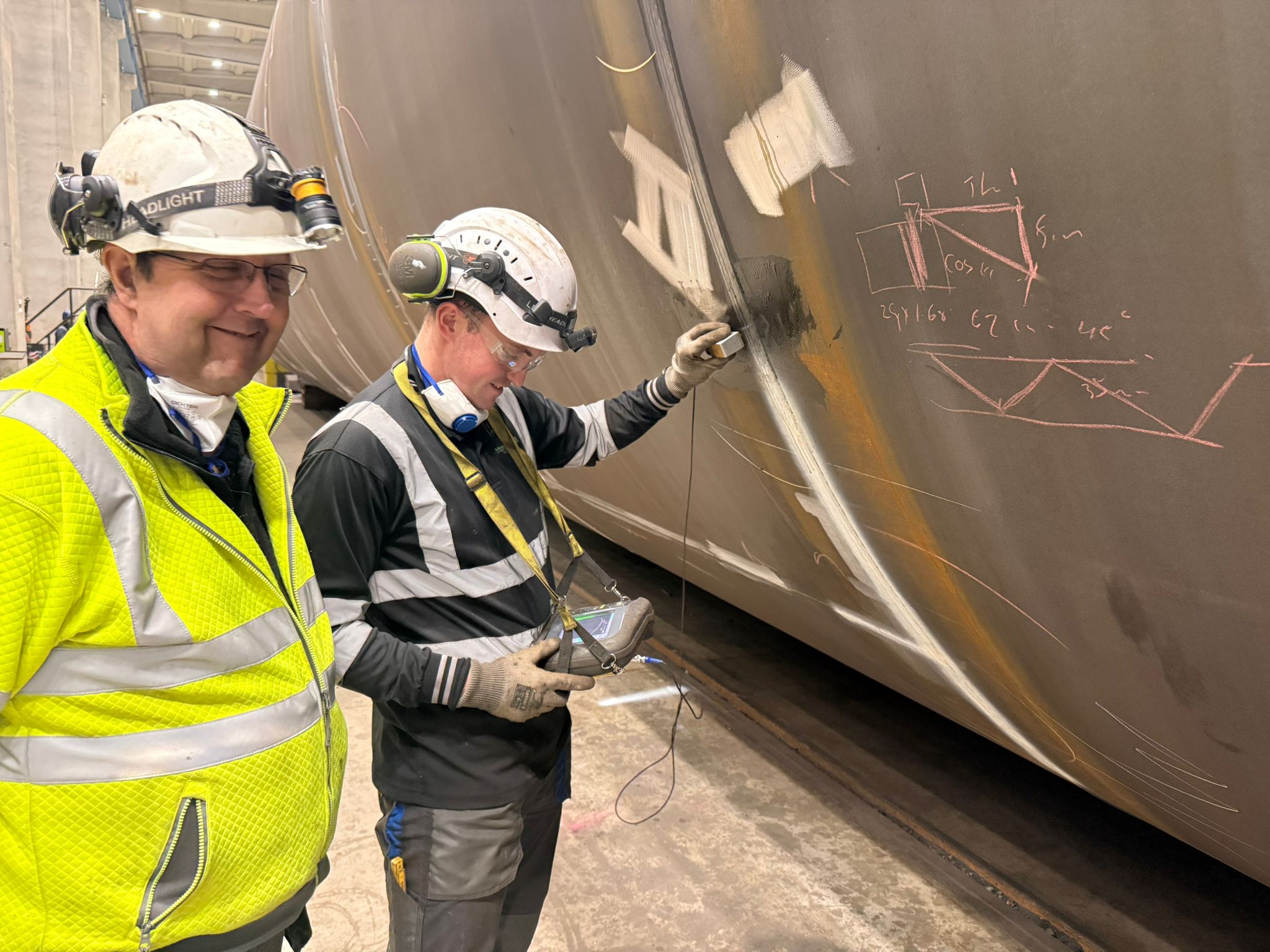
The global and local Non-Destructive Testing (NDT) sector enters 2026 facing a problem that has been building for more than a decade: a widening skills and certification gap. While demand for inspection has increased steadily due to asset-life extension, regulatory pressure and rising safety expectations, the pipeline of trained and certified technicians has not kept pace.
This gap is now impacting real-world operations. Asset owners are experiencing longer mobilisation lead times, Management are struggling to resource projects, and inspection companies are having to turn down work simply because they do not have enough qualified people to deliver it.
Where the Skills Gap Comes From
There is no single cause. Instead, several pressures overlap and reinforce each other.
Ageing workforce: A significant portion of the NDT workforce will reach retirement age within the next 5 to 10 years. Replacement rates are lagging behind.
Certification bottlenecks: The competency-based certification frameworks that make NDT credible also make it slow to scale. Achieving PCN, ASNT or ISO 9712 certification requires time in training as well as substantial logged experience hours, which cannot be rushed without compromising standards.
Lack of early awareness: Very few young people know what NDT actually is, that it plays a key role in the energy transition, or that it offers stable, well-paid and globally portable careers.
Industry perception: NDT often competes with more glamourous-sounding career paths in engineering, software or renewables, even though those sectors rely on NDT to operate safely.
The Operational Cost of Doing Nothing
Companies are already experiencing the impact. Shutdown projects are being delayed due to shortages of qualified inspectors. Overtime costs are rising as companies try to retain existing staff. Scarcity of advanced-level technicians is creating geographic and scheduling challenges. The adoption of newer techniques such as PAUT, TOFD, ACFM and Digital Radiography is being slowed by a lack of trained personnel. In some cases, companies are losing work simply because they cannot resource it.
For asset owners and EPCs, this ultimately increases downtime risk. For inspection firms, it becomes a direct barrier to growth.
Why Investment in Training Pays Off
Across the sector one lesson has become clear… training delivers a return.
Developing technicians internally reduces recruitment costs, improves retention, lowers mobilisation friction, decreases dependency on agency labour, increases multi-competency capability, and supports better safety outcomes.
In NDT, skill is not just a compliance requirement; it is the ability to deliver work reliably and safely. This development has to be controlled, and companies must accept that trainees cannot simply be hired out immediately. Too many organisations are overly focused on short-term margin rather than long-term capability.
How ITS Is Addressing the Skills Gap
At International Testing Services we recognised early that solving the skills shortage requires more than just competing for the same small pool of experienced technicians. It requires increasing the size of the pool itself.
Over the past few years, we have invested in structured talent development programmes focused on entry-level recruitment, training and mentorship. To date we have developed nine entry-level technicians within the business, many of whom are progressing toward formal certification programmes in a controlled manner.
This approach has already delivered operational benefits including reduced lead times for client projects, improved scheduling flexibility, competence aligned to our internal standards and the creation of a sustainable talent pipeline for the future.
Building Awareness in Schools
The skills shortage begins long before certification; it begins with awareness. For many people the first time they hear the term “NDT” is when they have already started a different career path. Change must start earlier.
As part of our community engagement strategy, ITS has been working proactively with local schools by offering talks, demonstrations and career pathway sessions that explain what NDT is and why it matters. We are especially proud of our partnership with Argyle Ruan Fife which has allowed us to expand outreach, reach more schools and present NDT as a credible and attractive technical career option for young people who might otherwise never encounter the industry.
This is not corporate responsibility for appearance’s sake; it is future-proofing.
Certification Requires Collective Action
Even with internal training and external outreach, the industry cannot ignore the structural bottlenecks in certification. The NDT sector needs to collaborate on increasing training centre capacity, improving exam availability, supporting modular and digital learning models, expanding funding access for early-career technicians and enabling quicker logged-hour opportunities.
The goal is not to lower standards. NDT is a safety-critical discipline and standards must remain high. The goal is to remove friction without compromising integrity.
Looking Ahead
If the NDT industry wants to support asset-life extension, net-zero investment, renewables, advanced manufacturing and infrastructure modernisation, then it must grow the workforce that makes all of that possible.
The solution is not to fight over the same shrinking talent pool, but to create new technicians, improve awareness earlier and recognise training as a strategic investment rather than an operational cost.
At ITS we will continue to do our part by engaging with schools, partnering with organisations such as Argyle Ruan, developing talent internally and investing in structured certification pathways for the next generation of technicians.